Wednesday, September 9
Unlock exclusive macro briefings, proprietary data syntheses, and institutional-grade geopolitical risk analysis.
U.S. tech firms are converting AI-driven output multiples into margin expansion while the underlying labor market exhibits persistent under-hiring and wage compression across non-technical sectors. The decoupling of productivity from labor compensation is no longer a lagging indicator—it is the operating structure.
No stories match your search.
The convergence of always-on smartphone wagering interfaces, variable-ratio reinforcement schedules, and lax regulatory capture has produced a household-solvent crisis that mirrors the subprime credit pipeline of 2007-2008, but operates at individual scale and in real time. Political-industrial lobbying has closed the feedback loop between predatory product design, legislative deregulation, and the redistribution of extracted capital upward.
As federal health safety nets contract under repeated budgetary pressure, the financial exposure of the median American shifts irrevocably from the state to the individual, producing a class of catastrophic, uninsurable medical debt. Premium escalation in the individual market and employer-sponsored tiers, compounded by subsidy compression, leaves households absorbing costs that were structurally designed to be socially distributed.
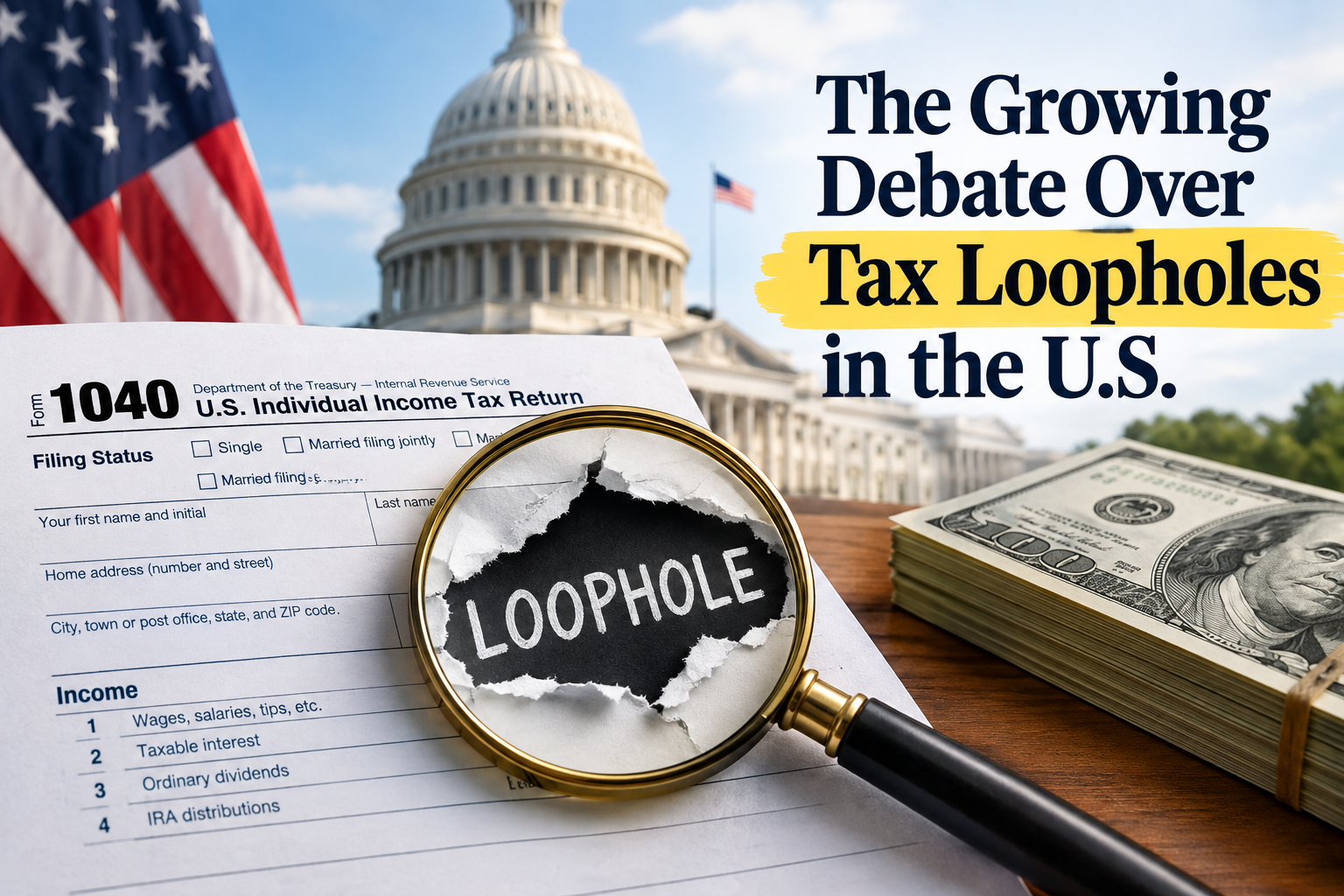
The U.S. federal tax code structures corporate and capital-income taxation so that the effective burden on mega-entities and the ultra-wealthy is materially lighter than the statutory top rates suggest. The resulting fiscal gap is bridged by progressive payroll levies, regressive state-and-local collections, and deficit financing—forcing middle- and lower-income households to subsidize public infrastructure they cannot afford to underwrite privately.
Institutional operators have converted single-family inventory into a yield-extraction vehicle, compressing the entry-level buyer's window of affordability while embedding leveraged debt structures that decouple home prices from local incomes. The result is a structural bifurcation: housing functions as a return-generating instrument for a thin tranche of capital while the median household faces a permanently elevated cost floor.
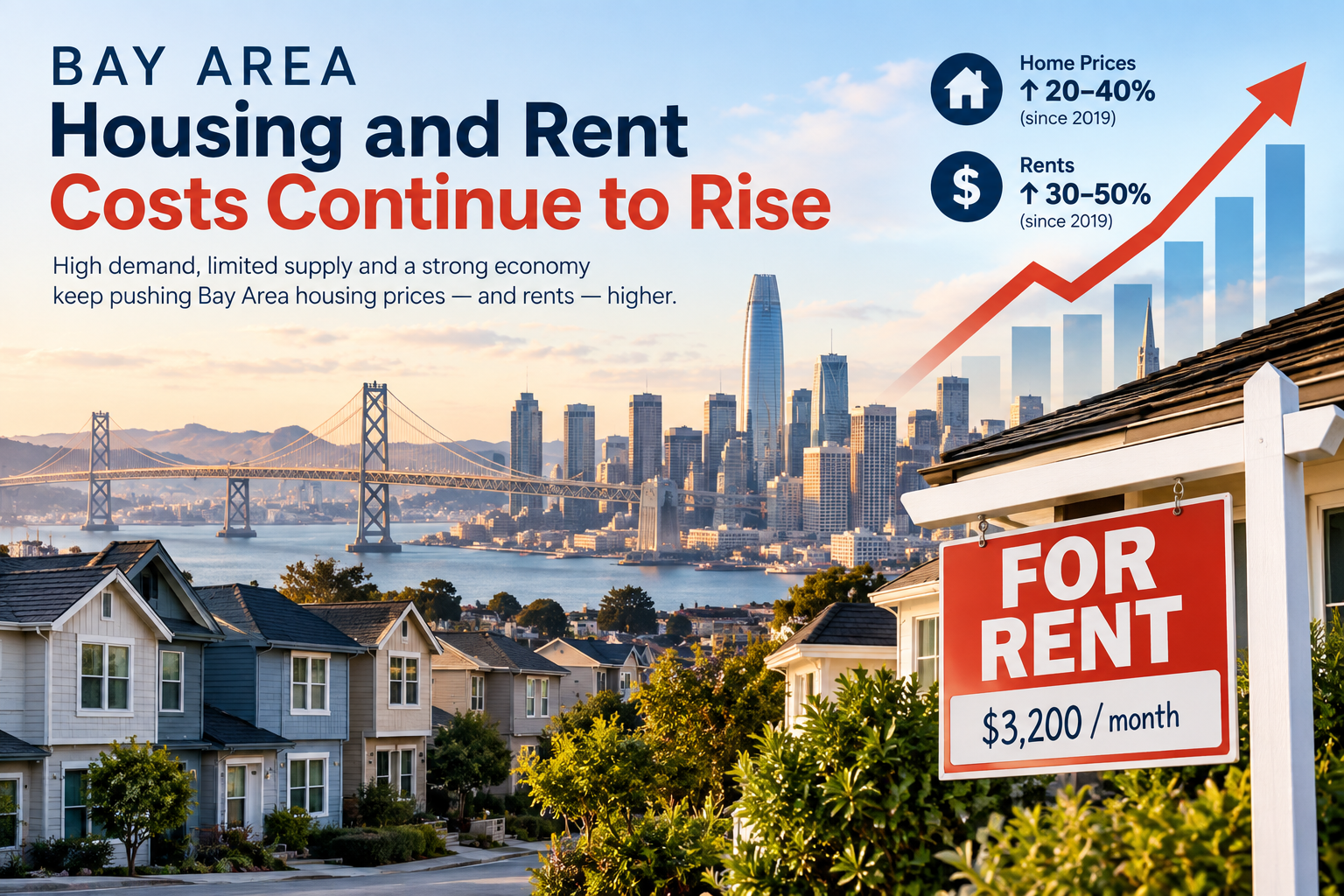
The Bay Area's rent-to-income ratio has crossed thresholds that structurally expel essential workers from the region, while a consolidated real estate lobby neutralizes every legislative attempt to impose binding affordability constraints. The resulting displacement cascade deepens economic stratification and hollows out the labor base that sustains the local service economy.
Structural decoupling between flatlined labor compensation and surging essential-goods pricing is pushing American households into a dependency on revolving credit to maintain baseline consumption. The San Francisco metro, as a cost-of-living bellwether, reveals the transmission mechanism in steepest form.
Four AI infrastructure firms—OpenAI, Anthropic, Google/Gemini, xAI/Grok—have structurally commandeered the authentic journalistic channels that entrepreneurs, investors, and small businesses rely on, converting them into fear-weighted distribution vectors that misallocate capital and erode informational sovereignty. The general public does not receive a commensurate benefit; it absorbs a compliance cost and cedes decision bandwidth to a private revenue cycle, while the broader economy's innovation pipeline narrows into a four-lane corridor owned by firms that did not exist five years ago.
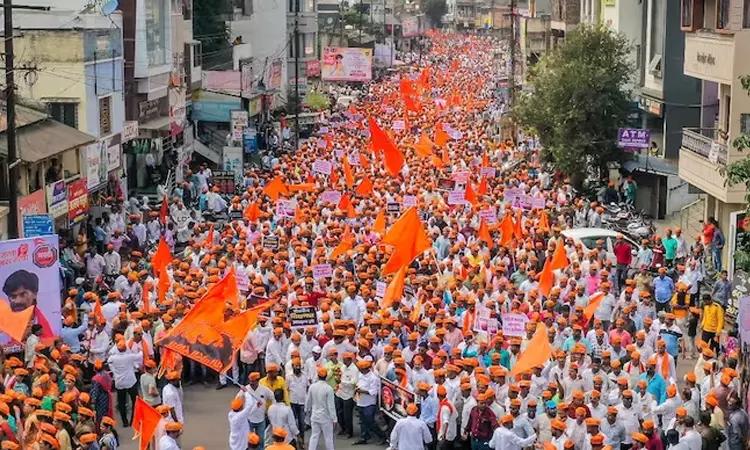
The 2018 Maratha reservation movement exposed a structural tension in Indian social policy: caste-based mobilization as political currency versus the economic drag of repeated civil disruption on healthcare, supply chains, and small commercial activity. Political parties instrumentalize community grievance to manufacture electoral leverage, imposing social costs that fall hardest on the unorganized sectors the movements claim to protect.
Annual Ganesh Utsav noise violations in Pune expose a structural governance failure: every tier of political and media actor is contractually incentivized to silence a constitutional right to undisturbed peaceful living under Article 21. The international comparison is not about diminishing religious expression; it is about enforcing the same expression within enforceable acoustic thresholds, as the EU, US, Singapore, and Japan already do.